
The restaurant industry does not stand still. Every year brings new habits, new expectations, and new pressures for operators. Some changes happen slowly, others feel sudden. Either way, restaurants that pay attention to industry trends usually find it easier to adapt.
This is Part 2 of our restaurant industry trends series. Below are three trends that are expected to shape how restaurants operate as we move closer to 2026.
1. AI Becoming Part of Daily Restaurant Work
AI is no longer something restaurants experiment with on the side. It is slowly becoming part of everyday kitchen and operations work.
Many restaurants are using AI to forecast order volume based on historical data, weather, and local demand patterns. This helps managers plan staffing more accurately and avoid over or understaffing during rush hours.
In the kitchen, AI with kitchen display system is also being used to manage order sequencing and prep flow. Instead of chefs deciding which order to cook first, systems can prioritize orders based on delivery time, prep complexity, and kitchen load. This reduces decision fatigue and keeps the line moving more smoothly.
As costs continue to rise, AI tools that help kitchens do more with the same team will likely become standard by 2026.
2. More Focus on Direct Ordering Channels
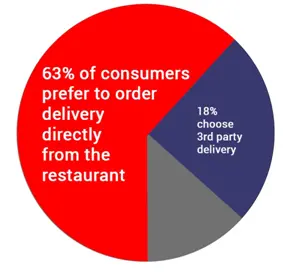
Direct ordering or 1st party odering is no longer just about avoiding commissions. It is about control and long term customer relationships.
When customers order directly, restaurants can communicate clearly about timing, promotions, and menu changes. This creates a more consistent experience compared to relying only on third party platforms.
Direct channels also allow restaurants to collect better data. Understanding what customers order, how often they return, and when they place orders helps with menu planning and marketing decisions.
By 2026, restaurants that strengthen their direct ordering channels will likely see higher repeat business and more predictable revenue.
3. Dining Experiences Are Becoming More Flexible
Guests today expect restaurants to fit into their lives, not the other way around. Some days they want to dine in, other days they want delivery or pickup with minimal wait.
Restaurants are responding by designing operations that support multiple service modes without friction. This includes clear pickup flows, accurate delivery timing, and consistent food quality across channels.
Experience now also includes transparency. Customers want real time updates, clear wait times, and want to know where the ingredients come from. Restaurants that deliver this level of clarity build trust.
In 2026, successful restaurants will be the ones that make every order feel easy, regardless of how or where it is placed.
Why These Restaurant Industry Trends Matter?
Ignoring these trends often leads to higher costs and operational friction. Restaurants that wait too long usually end up making rushed decisions later.
Those who prepare earlier can spread out changes and improve operations step by step. Understanding restaurant industry trends helps avoid reactive moves that strain staff and budgets.
How Restaurants Can Get Ready?
Getting ready does not mean changing everything at once. It starts by understanding where time, money, and effort are being lost.
Restaurants can begin by reviewing their technology setup, ordering channels, and kitchen workflows. Small improvements made now can prevent bigger issues later.
Staying flexible and consistent is often more important than chasing every new tool.
Takeaway
The restaurant industry in 2026 will reward operators who stay aware and adjust early. Trends around AI, direct ordering, and flexible experiences are shaping how restaurants operate.
Keeping an eye on restaurant industry trends helps businesses stay competitive and better prepared for change.
If you want to prepare your restaurant for the next phase of growth, connect with the experts at TechRyde and explore what future-ready operations look like.