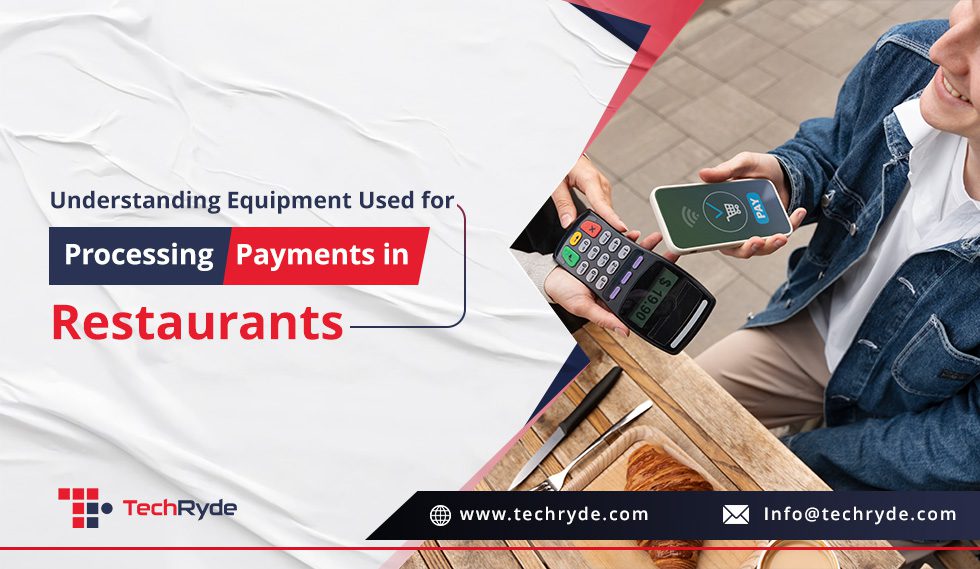
Payments in restaurants do not feel like a simple step anymore. They are part of the experience. Sometimes they are the fastest part of the visit. Sometimes they are the slowest. And usually, guests remember the friction more than the food if the process feels clunky.
Most restaurants now deal with cards, mobile wallets, QR payments, delivery payments, kiosks, and in-app transactions all at once. That makes payment equipment more than just hardware. It becomes part of the operation itself.
If the system works smoothly, no one notices it. If it does not, everyone does.
POS Terminals as the Core System
A POS system and payment processing are often treated as the same thing, but they are not. The POS system runs the restaurant. Payment processing moves the money.
The POS can handle:
– Orders
– Menus
– Inventory
– Staff management
– Reporting
– Customer data
– Kitchen integration
Payment processing handles the financial transaction between the guest’s account and the restaurant’s bank account. These are two different functions that just happen to work together.
In modern restaurants, there are two main ways this setup is structured.
Some restaurants use fully bundled systems. In this model, the hardware, POS software, and payment processing all come from the same provider. This makes setup easier and support simpler, but it also means pricing, processing fees, and contracts are fixed within that ecosystem.
Other restaurants use separated systems. Here, the POS software runs operations, but payment processing is handled by a different provider. This gives restaurants flexibility to change processors, negotiate better transaction rates, and control long-term costs without replacing their entire system.
This distinction matters financially. Payment processing usually takes a percentage from every transaction, which makes it a variable cost that grows with volume. POS software is usually a fixed monthly cost. When everything is bundled together, those costs become harder to see and manage clearly.
Card Readers and Modern Terminals
Card readers have changed a lot. They are not swipe machines anymore. Today they support:
– Chip cards
– Contactless payments
– Mobile wallets
– Encrypted processing
– Tokenized security
– Fast approvals
Guests expect speed and safety. They also expect the system to just work. A slow terminal or a failed transaction breaks trust fast, even if the food is good.
Mobile Payment Devices
Mobile payment devices have become normal, not special. They allow restaurants to take payments:
– At the table
– At the curb
– At pop ups
– In outdoor seating areas
– At events
– During delivery handoffs
This flexibility changes service flow. Guests do not have to wait. Staff do not have to run back and forth. Everything feels faster without adding more pressure on teams.
Self Ordering Kiosks and Payment Stations
Kiosks now handle both ordering and payment in one place. They are common in:
– Quick service restaurants
– Food courts
– Airports
– High volume locations
– Fast casual spaces
They reduce lines, improve order accuracy, and help increase average order value. People tend to order more when they are not rushed. For kiosks to work well, payment must feel simple. If payment is slow, the whole system fails.
Supporting Payment Equipment
There is still a lot of physical equipment behind payments. This includes:
– Printers
– Cash drawers
– Customer displays
– Pin pads
– Mounting hardware
– Tablet stands
Even in digital-first restaurants, physical tools still matter. Payments are a mix of old and new systems working together.
New Payment Technologies
Payment systems keep evolving quietly. Restaurants now use:
– QR payments
– App-based payments
– Tabletop payment devices
– Wearable payments
– Cloud-connected terminals
– Biometric verification tools
Most customers do not think about the technology. They think about how easy it feels. That is the real standard now.
Security and Trust Infrastructure
Payment equipment is also about protection. Modern systems use:
– Encryption
– Secure cloud processing
– Tokenization
– Compliance standards
– Data protection protocols
Security failures damage trust fast. Payment systems must protect the business as much as they serve the guest.
How to Choose the Right Equipment?
The right setup depends on how the restaurant actually works. Questions to ask:
– How do guests order
– How do they pay
– Where do delays happen
– Where do lines form
– What causes friction
– What systems need to connect
Good equipment fits the workflow. Bad equipment forces the workflow to change around it.
Final Thoughts
Payment equipment in restaurants is no longer just financial hardware. It shapes speed, flow, guest experience, and trust. When it works, it disappears into the background. When it fails, it becomes the problem everyone notices.
In modern restaurants, payments are not the end of the journey. They are part of how the whole operation feels.
And that feeling matters more than most operators realize.