
Restaurant automation is no longer a futuristic concept limited to high-tech labs.
In 2026, automation will become a core operational strategy, helping restaurants manage labor challenges, improve consistency, and enhance customer experiences. From simple digital ordering tools to AI-powered kitchen display system, technology is reshaping how restaurants work.
Here’s a practical, expert-grounded look at what automation means this year and how it’s evolving.
Why is Automation Critical in 2026?
Restaurants are operating in a world with tight labor markets, rising costs, and customers who expect speed and convenience without sacrificing quality. That combination makes automation appealing not just for big chains but also for smaller operators looking to do more with less.
Experts say the winning tech won’t be the flashiest gadget, but the tools that truly reduce complexity and support staff.
Automation is extending beyond self-ordering kiosks and mobile apps into deep operational areas like inventory forecasting, labor planning, and kitchen task management. This shift is partly driven by demand for real-time response across all service channels, including in-store, online, and off-premise.
What are the Core Areas Where Automation is Making an Impact?
Intelligent Kitchens and Back-of-House Tools
Automation in kitchens is less about replacing staff and more about enhancing consistency. Connected systems now help anticipate demand, balance kitchen loads, and even guide staff through preparation steps to maintain quality regardless of volume. Sensors, machine data, and insight tools work together to make kitchen environments more predictable.
AI and Data Interpretation
Experts argue that the next wave of tech is interpretive AI; systems that turn raw data into clear guidance for decision-making rather than just dashboards full of numbers. These AI systems can analyze trends from sales, weather, local events, and even social behavior to forecast demand or suggest staffing changes.
Connected and Integrated Systems
Technology fragmentation is fading. Restaurants increasingly adopt unified automation systems where order management, delivery, POS, loyalty programs, and kitchen systems communicate in real time. This gives teams a single view of operations and reduces manual work, errors, and confusion.
Guest-Facing Automation
Self-service ordering through kiosks, QR codes, voice assistants, and digital menus continues to grow. These tools reduce wait times, minimize service errors, and free staff to focus on areas that benefit most from human interaction, like hospitality and table service.
Smarter Delivery and Off-Premise Workflows
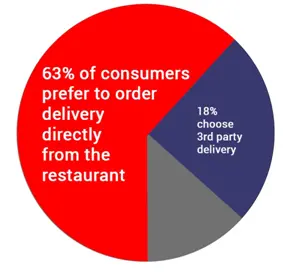
Automation isn’t limited to in-store operations. Tools that orchestrate delivery dispatch logistics, balance in-house and third-party orders, or sync online channels with kitchen workflows are now part of automation roadmaps for many restaurants. Restaurants are no longer reacting; they are coordinating multiple channels with tech support.
Automation is Not Just Robots But Smarter Decision Tools
When people hear “automation,” they might picture robots flipping burgers or delivering food. While those exist and are expanding, the bigger change in 2026 happens in software and intelligence layers. Systems quietly assist with inventory prediction, labor scheduling, menu optimization, and guest personalization; areas that directly affect margin and customer loyalty.
AI is also helping personalize experiences. Loyalty systems are shifting from generic point-based rewards to dynamic offers that adapt to guest preferences and past behavior, increasing relevance and value.
Balancing Tech With Hospitality
Automation is not an excuse to remove human interaction. Experts emphasize that tech should support teams so they can focus on guest experience, not replace them. Technology that disconnects the brand from its customers tends to fail, while technology that amplifies service and consistency tends to succeed.
Practical Steps for Restaurants Embracing Automation
If 2026 is your year to adopt or expand automation, here are essential strategies:
Start with real needs — not shiny tech. Identify bottlenecks in ordering, kitchen flow, or staffing first.
Prioritize integration — siloed tools create confusion; connected systems unlock efficiency.
Use AI for insights, not just dashboards — tools that interpret and guide decisions are far more valuable than ones that just display numbers.
Keep hospitality central — automation should support better service, not replace personal touch.
The Bottom Line
Restaurant automation in 2026 is less about the robots and more about intelligence, integration, and decision support. It helps restaurants navigate tight labor markets, cost pressures, and rising guest expectations. Operators who adopt automation with a clear plan, focus on real problems, and maintain the human experience will see the most benefit this year.
Automation is no longer optional. It is becoming foundational to how modern restaurants operate.
Source:
https://www.qsrmagazine.com/story/whats-next-for-restaurant-tech-in-2026-lets-ask-the-experts/
https://www.restaurantbusinessonline.com/technology/5-restaurant-tech-predictions-2026
https://www.nrn.com/restaurant-automation/behind-the-latest-automation-trend-for-restaurants