
For anyone wondering how to start a ghost kitchen, the process is pretty straightforward once you break it into steps. Here’s a practical walk-through of 10 things you’ll need to do before you launch.
But let’s clear this up first: what is a ghost kitchen?
What is a Ghost Kitchen?
Picture a kitchen that only makes food for delivery apps or direct online orders. No seating, no serving staff, just chefs, packaging, and delivery drivers. That’s the ghost kitchen model. In 2025, ghost kitchens are on a rise, it’s become a popular way to cut costs and still reach customers hungry for convenience.
Why it’s catching on:
Lower expenses: No need for prime real estate or large front-of-house staff, which slashes overhead costs. Most of the budget goes directly into food quality, marketing, and delivery efficiency.
Flexibility: Because ghost kitchens operate online, you can change or test menus quickly. If a dish isn’t selling, swap it out. If a new food trend hits, you can add it in days instead of months.
Scalability: A single kitchen can house multiple virtual brands at once. That means you could run a pizza brand, a salad brand, and a dessert brand all under the same roof, reaching different customer bases without tripling your costs.
How to Start a Ghost Kitchen in 10 Steps?

1. Concept & Menu
Start with what you want to be known for. Is it spicy chicken wings, vegan burritos, or maybe late-night comfort food? Keep the menu tight and focused. Smaller menus often work better because the food is consistent and travels well.
2. Market Research
Check what’s working in your area. Look at delivery apps to see which cuisines are popular and where there are gaps. If ten places are already selling pizza, maybe your community would love poke bowls or a healthy smoothie brand instead.
3. Location
Forget about high-rent main street spaces, you just need to be close to your delivery customers. Commissary kitchens (shared spaces you rent by the hour or month) are great for starting small. If you’re aiming big, you might look at a private kitchen setup.
4. Licenses & Permits
Not the fun part, but it’s essential. You’ll likely need business licenses, food handling permits, and health inspections signed off on before you can open. Check your local laws early so nothing delays your launch.
5. Kitchen Layout & Tech Setup
A ghost kitchen runs on efficiency. Think about workflow: where food is prepped, cooked, packed, and handed off. On the tech side, restaurant automation solution providers like TechRyde can help manage orders, payments, and delivery integrations all in one system, which saves a lot of headaches.
6. Online Ordering Setup
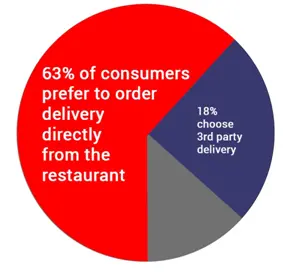
Set up your own direct ordering option, which gives you more profit per sale. At the same time, list your kitchen on big platforms like Uber Eats, DoorDash, Grubhub, and more. Direct orders build loyal customers, but third-party apps give you reach.
7. Brand Identity
Your brand is how customers remember you. A catchy name, a clean logo, and packaging that feels professional all matter. Good packaging not only protects food but also makes a strong impression (and often ends up on social media, which is free marketing).
8. Delivery Logistics
You can’t afford late or messy deliveries. Some kitchens hire their own drivers; others rely on delivery apps. Many do both. Whatever you choose, invest in packaging that keeps food hot, fresh, and intact.
9. Marketing Launch
Build excitement before you open. Share sneak peeks on Instagram, drop teaser videos on TikTok, or work with local influencers. Simple offers, like first-order discounts or bundle deals, can help you get traction fast. Don’t overlook offline marketing either; flyers in neighborhoods still work.
10. Operations & Feedback
Once you’re live, pay attention to details. Which items are selling best? What are customers saying in reviews? Use that feedback to improve. Ghost kitchens that succeed aren’t the ones that get it perfect on day one; they’re the ones that keep adapting.
How to Run a Ghost Kitchen Successfully?
Opening a ghost kitchen isn’t just about cooking; it’s about smart planning:
- Budgeting: Map out your startup and ongoing costs in detail; rent, kitchen equipment, licenses, staff wages, food supplies, and marketing. Start lean but realistic. Have a buffer for unexpected expenses, like sudden equipment repairs or slower-than-expected sales.
- Use tech wisely: Automating order management, payments, and inventory reduces errors and saves hours of manual work. Kitchen automation tools let you sync orders across platforms, track performance, and keep customers happy with accurate, timely updates.
- Think big picture: Don’t stop at one menu or brand. Once operations are running smoothly, explore adding complementary brands out of the same kitchen. For example, a burger brand could also run a wings or milkshake concept, multiplying revenue without doubling costs.
- Focus on operations: Train staff well, document your processes, and track KPIs like delivery time, food costs, and customer satisfaction. Operational consistency is what makes scaling possible.
- Customer connection: Even without a storefront, engage customers through loyalty programs, personalized offers, and social media. Happy customers turn into repeat orders and free word-of-mouth marketing.
Final Thoughts
Ghost kitchens are changing the way restaurants operate. With the right idea, some research, and the right tools, you can build a food delivery business without the huge costs of a traditional restaurant. Start small, improve as you go, and lean on tech to keep everything running smoothly in 2025, and don’t hesitate to ask for help.